News

New plants

References

Transforming Forestry Waste into Sustainable Fuel: Casale Selected as Integrator and Technology Provider for Flying Forest’s Biomass-to-Methanol Complex

bg_blog_casale

19 June 2026

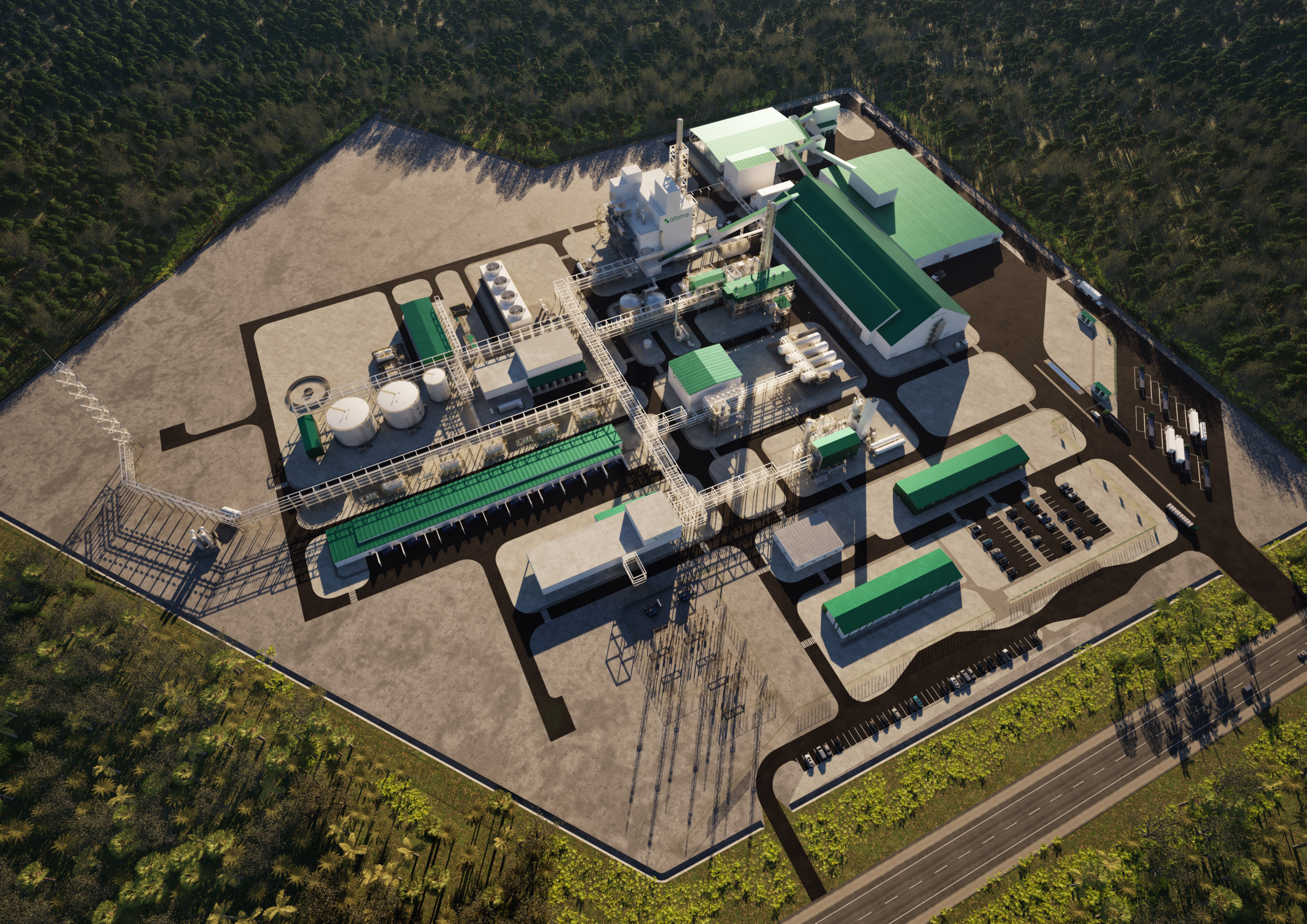
Lugano (Switzerland), 19 June 2026 – Flying Forest has selected Casale as integrator and technology provider to perform the Pre-FEED (Preliminary Front-End Engineering Design) for Project Loonbird, a next-generation biomass-to-methanol complex to be located in Iisalmi, Finland.

Expected to start operations by 2030, the facility is set to become one of Europe's flagship biorefineries, converting locally sourced forestry residues and renewable hydrogen into sustainable fuels for the maritime and aviation sectors. The project represents a new generation of industrial facilities combining forestry biomass and renewable hydrogen to produce sustainable fuels through an integrated low-carbon value chain.

The selection highlights Casale's ability to integrate multiple technologies and process units into a fully optimized industrial facility, combining biomass conversion, carbon management, renewable hydrogen production and sustainable methanol synthesis within a single value chain.

The project aims to produce approximately 180,000 tonnes per year of sustainable bio-e-methanol by processing around 210,000 tonnes of locally sourced non-recyclable forestry biomass and 17,000 tonnes of renewable hydrogen generated via electrolysis.

The resulting bio-e-methanol will support the decarbonization of the maritime sector, addressing the growing demand for low-carbon fuels driven by regulatory frameworks such as the Renewable Transport Fuel Obligation (RTFO) and FuelEU Maritime. In a second development phase, the facility will also produce Sustainable Aviation Fuel (SAF), further expanding its contribution to the decarbonization of hard-to-abate sectors.

By transforming forestry waste into valuable fuel products, Project Loonbird will contribute to reducing carbon emissions while promoting circular economy principles and supporting Europe's transition towards a more sustainable energy system.

 

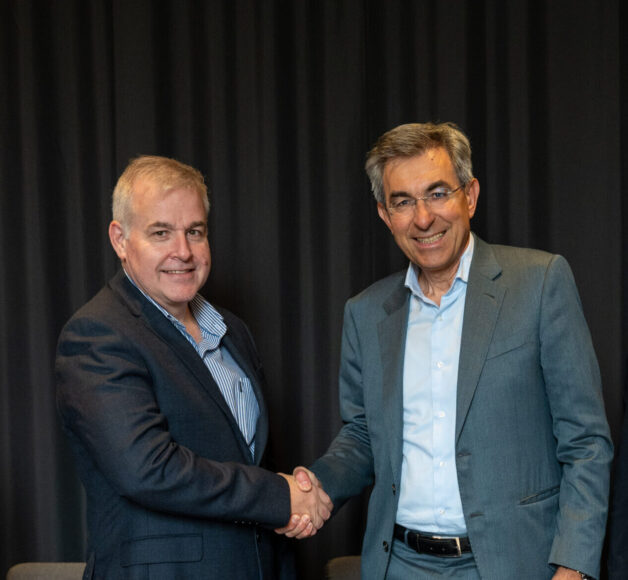
Timo Saarelainen, COO, Flying Forest, commented:

“We are very pleased to partner with Casale for the Pre-FEED of Project Loonbird, marking a pivotal milestone in our mission to pioneer next-generation sustainable fuel production.

Following a rigorous technology evaluation with our project development partners, Devaltec, we are confident that integrating Casale's synthesis expertise with advanced technologies from Sumitomo SHI FW and Honeywell UOP creates an unparalleled, low-risk platform.

Project Loonbird in Iisalmi will not only establish a new benchmark for converting forestry residues and renewable hydrogen into high-value bio-e-methanol but will also serve as the blueprint for our broader strategy to roll out scalable, circular-economy energy solutions across Europe to meet the accelerating demand from the maritime and aviation sectors.”

A Fully Integrated Biomass-to-Methanol Facility

Project Loonbird combines several advanced process technologies into a fully integrated biofuels platform.

Forestry biomass will be converted into synthesis gas through oxygen-blown gasification technology supplied by Sumitomo SHI FW. The raw syngas will then be cleaned, treated and conditioned, including CO₂ capture, using technology supplied by UOP (Honeywell UOP).

The conditioned syngas will subsequently be integrated with renewable hydrogen produced through water electrolysis powered by renewable energy. The electrolysis system will be sized to provide oxygen for the gasification and reforming processes while enabling the elimination of CO shift conversion under normal operating conditions. The electrolyzer supplier will be selected from a pool of qualified manufacturers, leveraging Casale's extensive expertise in integrating large-scale electrolysis systems developed through its leadership in green ammonia projects.

The resulting gas mixture will be processed in a methanol synthesis section designed by Casale using a customized version of its proven BioFlex methanol technology, before being distilled into bio-e-methanol compliant with ISO/DIN 6583:2024 for marine fuel applications and Methanol Grade AA for conventional markets.


Casale's Role

Casale's scope includes the biomass yard and feedstock preparation section, developed in collaboration with Sumitomo SHI FW, as well as all utilities and offsite systems required for the operation of the complex.

In addition to acting as licensor for the methanol synthesis and distillation technologies, Casale will be responsible for the overall integration of process units, utilities and offsite systems, ensuring the development of a highly efficient, fully optimized and seamlessly integrated biofuels facility.

This role builds on Casale's long-standing expertise in integrating complex process technologies across the fertilizer, hydrogen, syngas and sustainable fuels sectors, enabling customers to accelerate the deployment of large-scale low-carbon industrial projects.

Sergio Debernardi, Chief Operating Officer of Casale, commented:

"Project Loonbird represents a compelling example of how renewable resources and advanced process integration can be combined to produce sustainable fuels at industrial scale.

By bringing together best-in-class technologies and leveraging our BioFlex methanol process, Casale will play a key role in transforming forestry residues and renewable hydrogen into valuable low-carbon products.

We believe this project represents an important step forward in the decarbonization of the maritime and aviation sectors, while demonstrating the potential of circular economy solutions to create long-term industrial value."

Once operational, Project Loonbird is expected to become one of Europe's leading biomass-to-methanol facilities, serving as a reference project for the integration of forestry residues, renewable hydrogen and sustainable fuel production at industrial scale.